
jeweller


______________________________________________________
|
Medals Series ______________________________________________________ The design brief was to produce a body of work exploring and reflecting one’s origins and individuality within the jewellery medium.
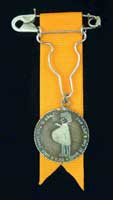
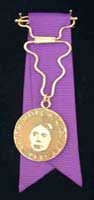
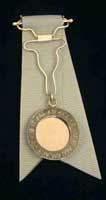
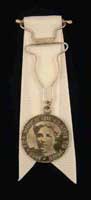
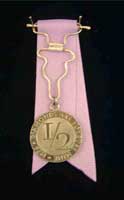
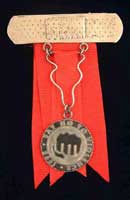
1. Faith, Hope and Charity 1846 This jewellery piece celebrates the 1846 arrival of my great, great grandmother to be a Lutheran Missionary in the Chatham Islands. She, pictured in the medal, made a great act of faith to come across the world with only two other women, who within 48 hours of arrival had to draw straws for a husband, marry him and live in harmony with the island’s Moriori and Maori. 2. For whom she claims to vote, 1893 This piece celebrates the Act enabling women to get the vote, the first such Act for any country in the world. An image of Kate Sheppard, the woman who led the suffragettes’ campaign is used, together with part of the wording of the Act. The white ribbon signifies the white amellia flowers worn by the suffragettes. 3. "Once you’ve had a baby , you can’t put it back', 1973 4. Diamonds are forever mine 1976This piece refers to the feature of the Matrimonal Property Act 1976 whereby everything is divided in half, except for the diamonds/jewels which the wife keeps forever. 5. Say No to Violence 1995 6. Is it all an Act?
|
|---|
10 grafton rd . roseneath . wellington . new zealand . 6011 . iph 04 384 5660 . mob 0274 459 342